
Which Public Cloud Provider Hosts Your Life Simulation?
We’re all living in a simulation. Find out who’s hosting yours.


We’re all living in a simulation. Find out who’s hosting yours.

Extreme Networks buys Brocade’s data center networking, Bedrock Data expands its Board of Directors, E-Discovery is a problem in IT, and Alliance Storage Technologies updates NETArchive.

Water planes, trains, and automobiles, that’s the fantasy allegorical landscape consuming this post by Ivan Pepelnjak. He paints a landscape where trains have consumed all transportation, to the point that there are no roads, only rails, and on it run electric trains. Cars do exist in this realm, but run on the rails, and are beholden to the train vendors for their efficient electric engines. But now the landscape is changing. New cheap gravel roads allows for inefficient gas cars to run at dirt cheap, and travel places the trains can’t. Ivan wants to know how the train manufacturers will do?
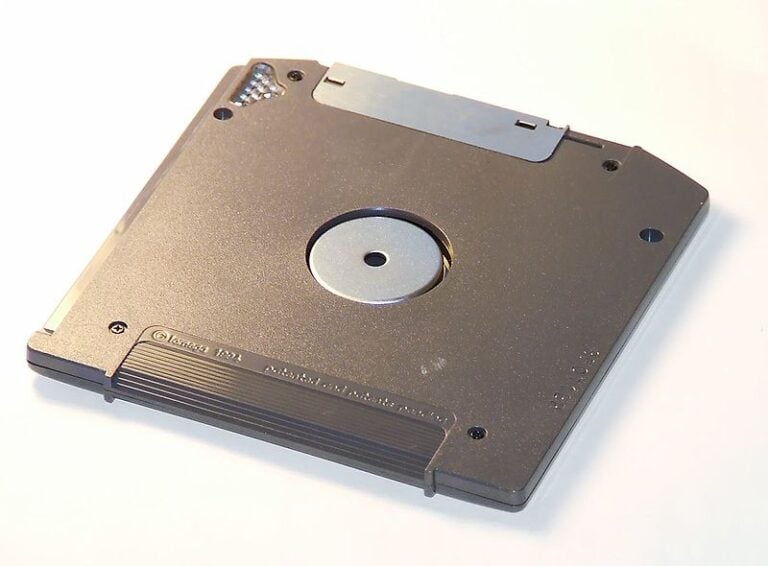
In this edition of Gestalt Server News
– Intel Optane hits the streets, how does the first commercial 3D XPoint fare?
– Elastifile rethinks distributed file systems
– Impressions of FreeNAS Corral
Plus the agony and nonexistent ecstasy of sad MacBook Pro dongles!
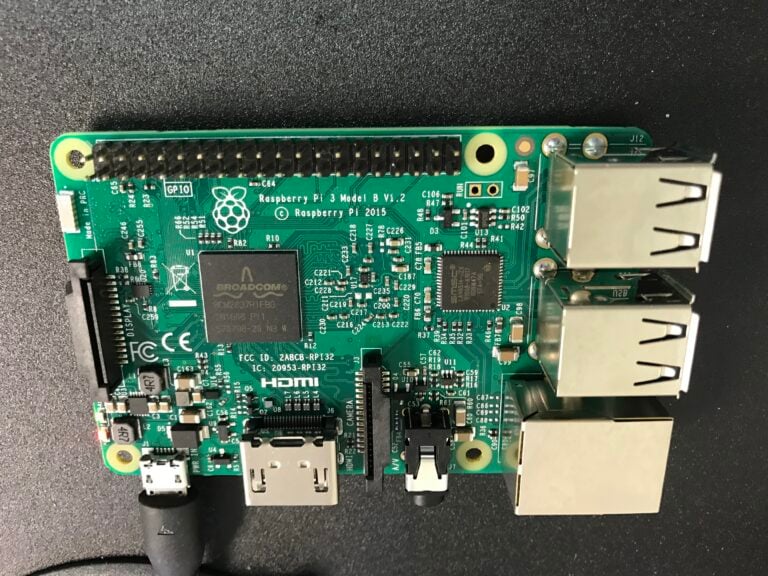
It’s easy to be dismissive of the humble Raspberry Pi. In many ways it’s painfully limited by slow I/O, meager compute and a reliance on an microSD card to boot. But despite these shortcoming, and perhaps because of its bargain basement price, the board has found a hoard of devotees. Keith Townsend looks at how the Pi could find a home in the data center. He makes a good point, despite being low power, the compute on it comes like my favorite pizza, “cheap and deep”.

On this edition of the Gestalt Server News:
– AMD makes a play for the data center with Naples
– AppliedMicron and X-Gene 3 hope to compete with x86
– Microsoft Edge let’s the cat out of the virtual machine bag
Plus: The MacBook Pro dongles you shouldn’t buy!
Microsoft’s Edge browser was supposed to alleviate a lot of the security concerns, with even more advanced sandboxing and process isolation than even Chrome. But in this years Pwn2Own competition, the Qihoo 360 security team found a pretty nasty vulnerability. Using a heap overflow bug, a JavaScript engine exploit, and a VMware flaw, they were able to not just execute code on the virtualized guest OS, but were actually able to access the host machine. That’s impressive.
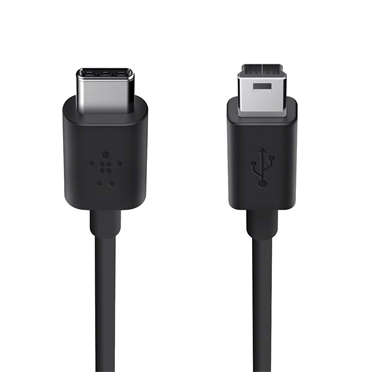
The MacBook Pro is both a beautiful and frustrating machine. The latter is mostly a product of its exclusive use of USB-C ports. These are both the future and not fully practical in the present. In this technological delta, a cottage industry of USB-C dongles has sprung up. I have collected five whose existence makes me sad.
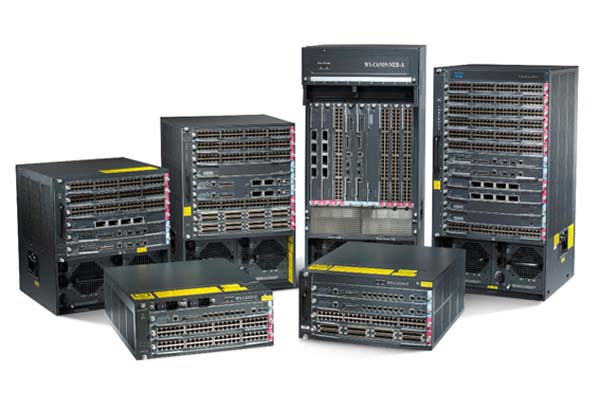
Dan Goodin at Ars Technica gives an overview of the implications of the recently exposed telnet vulnerability disclosed by WikiLeaks. I’m not surprised the CIA had something like that, however morally dubious I may find it. As an intelligence organization it’s in their interest to have this kind of access. For me, this goes beyond Cisco.
Erik Ableson reviews FreeNAS Corral. This represents a total rewrite of FreeNAS and its UI, including the underpinning with the latest version of FreeBSD. While there were some bugs to work out (specifically some weird UI business when using Safari), the UI seems to be strong, and there’s direct Docker integration that works well out of the box. Most impressively, FreeNAS now as comprehensive support for UPS integration.
